
Visit Kaikōura
Wild coastline, dramatic mountains and a warm place to rest your head — everything you need to plan your stay
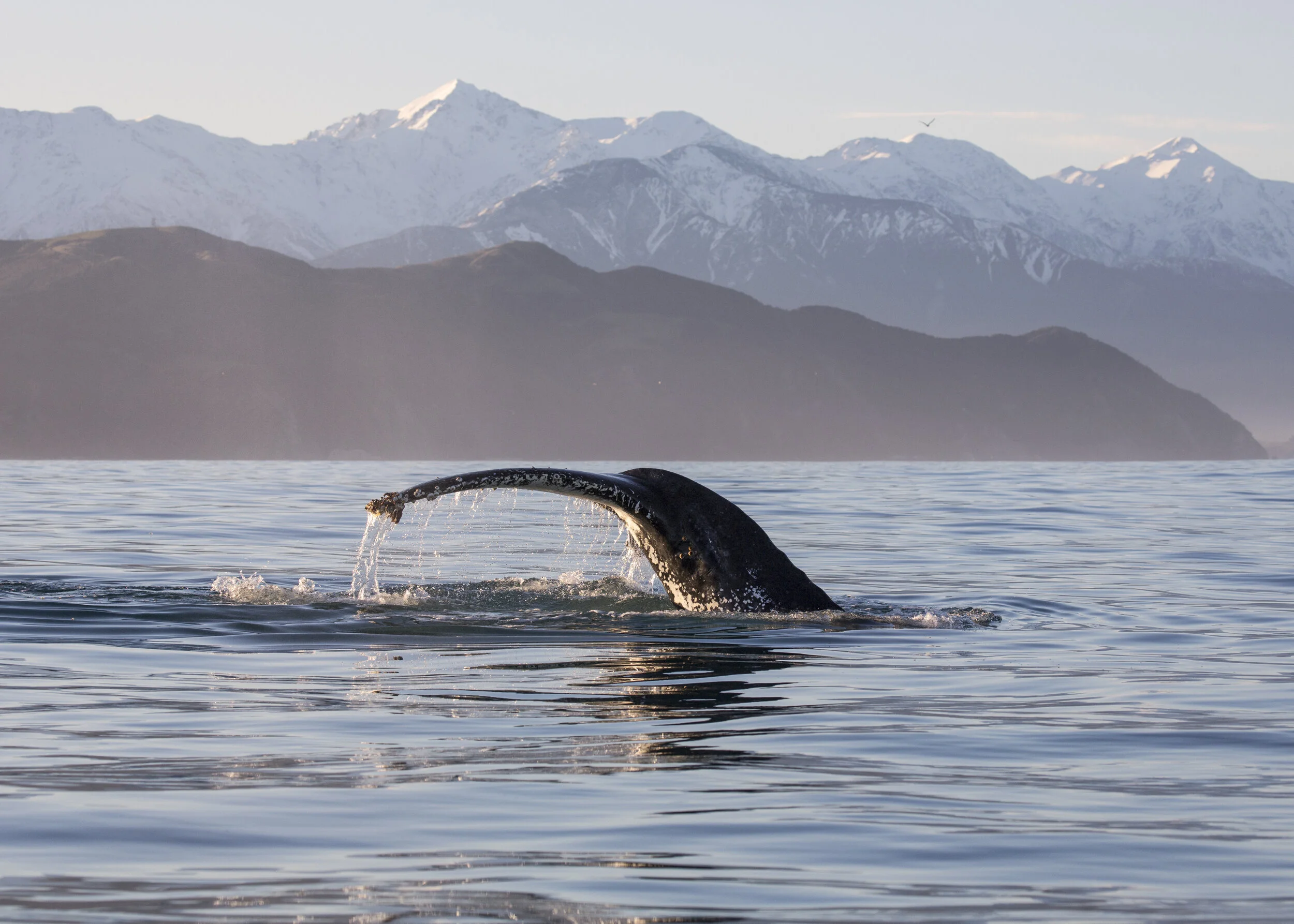
Few places on Earth possess the magic of Kaikōura. Many who visit, leave transformed. It is a special part of Aotearoa New Zealand, imbued with powerful natural energy. A place where tectonic plates collide, towering peaks fall to the sea and ocean currents converge.
Such rare combinations lure an abundance of marine wildlife, the most famous being the giant sperm whale. It was a whale that led the Māori ancestor Paikea to Aotearoa New Zealand many centuries ago. His descendants of Ngāti Kurī including Chris, live in Kaikōura today (read more about Chris's own connection to this land in Our Story).
The name Kaikōura means “eat crayfish”, recalling the time when explorer, Tama ki te Rangi, had a meal of crayfish here, pausing on his journey around the South Island in pursuit of his three runaway wives.
Today Kaikōura is a small seaside village, home to an eclectic population of fishers, farmers, surfers, artists, craftspeople, tour guides and accommodation hosts.

Guardians of Our Coastline
Kaikōura's shellfish and crayfish fisheries are still recovering from the 2016 earthquake and they remain vulnerable. If you're fishing or gathering kaimoana while you're here, please stick to the current size and bag limits. The free NZ Fishing Rules app is the easiest way to check what's current before you go.
When you visit, a little care goes a long way: keep a safe distance from seals and other wildlife, stick to marked paths, and take only what you need. It's a small way to help keep Kaikōura as remarkable for the next visitor — and the next generation — as it is today.
Read more about our own commitment to caring for this place in Our Values.
Kaikōura sits at a rare convergence — where deep ocean canyons meet the continental shelf, drawing an extraordinary abundance of marine life close to shore. It's one of the only places on Earth with a year-round resident population of sperm whales, alongside dolphins, migrating humpbacks, and one of New Zealand's largest fur seal colonies at nearby Ōhau Point.
This abundance is protected. A whale sanctuary limits activity that could disturb marine mammals and dedicated marine reserves and mātaitai protect traditional fishing grounds and fragile habitats. It's overseen by the Kaikōura Marine Guardians, a committee of local tangata whenua and community members appointed by the government to advise on how this area is cared for — Chris is proud to be one of them.
Ready to Join Us at the Table?
Now that you know a little more about this place we call home, let's get you into the kitchen. Explore our cooking classes, culinary adventures and dining experiences — or check availability on our calendar.